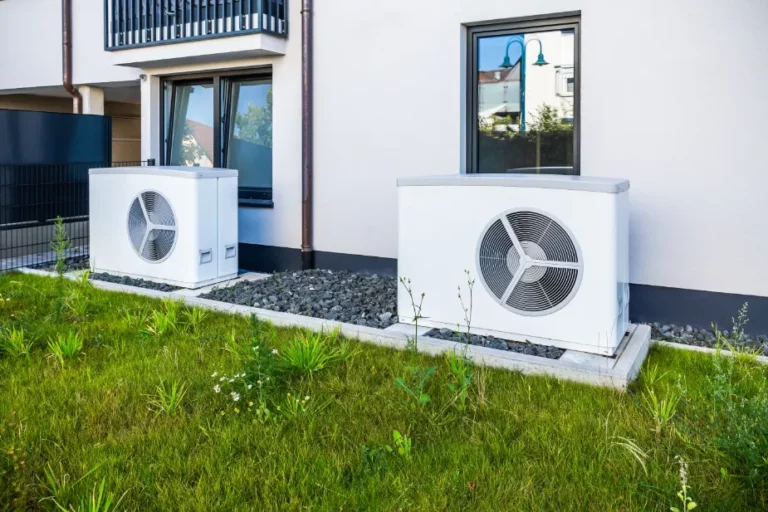
Few systems in a home work as hard as the water heater, and most homeowners around Gastonia and Charlotte never give theirs a second thought—until a shower turns cold or a strange noise starts up in the utility closet.
These are the water heater questions our plumbing team fields most often, along with straight answers on what’s normal, what’s fixable, and when it’s time to start thinking about replacement.
Why Does a Water Heater Run Out of Hot Water So Quickly?
A water heater usually runs out of hot water quickly for one of four reasons: sediment has built up inside the tank, a heating element is failing, the thermostat is faulty, or the household’s hot-water demand has simply outgrown the unit.
In the hard-water areas around Gastonia and Charlotte, sediment is the most common culprit. Minerals settle to the bottom of the tank and take up space that should be holding hot water, which shortens showers and slows the recovery between them.
Electric models can also lose capacity when a heating element weakens, leaving water lukewarm no matter how long you wait. And sometimes the tank is perfectly fine: a growing family, longer showers, or a new high-demand appliance can push usage past what the original unit was ever sized to handle.
Why Does a Water Heater Make Popping or Rumbling Noises?
A water heater makes popping, rumbling, or knocking sounds almost always because of sediment sitting at the bottom of the tank.
As that mineral layer builds up, water gets trapped beneath it, and when the burner or heating element fires, the trapped water flashes to steam and forces its way up through the sediment. Those escaping bubbles are the noises you hear.
Left unaddressed, the buildup makes the unit work harder, which drives up energy use and can overheat and corrode the tank from the bottom up. A professional flush will often clear the sediment and quiet the tank back down.
How Long Does a Water Heater Last?
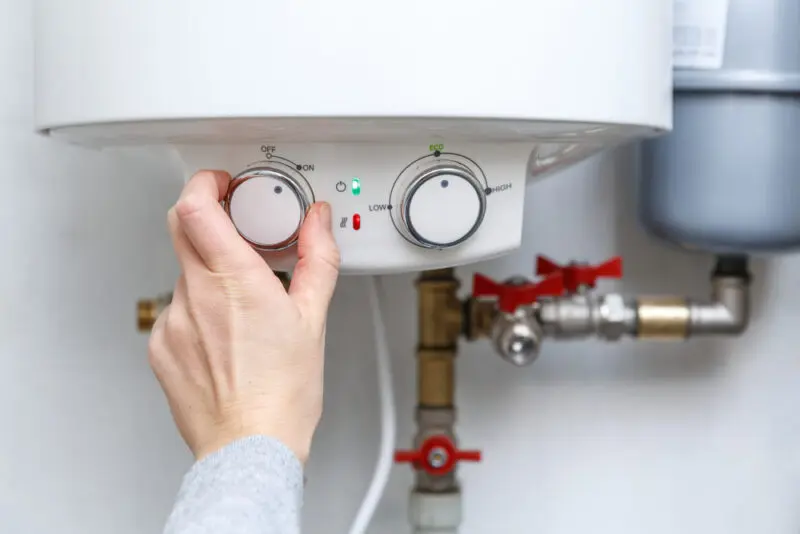
A traditional tank water heater lasts about 8 to 12 years, while a tankless water heater often runs 15 to 20 years or more with proper upkeep.
How long yours lasts comes down to water quality, how well it was installed, how much hot water the household draws, and whether it has been maintained along the way. The warning signs that a water heater is nearing the end include rust-colored water, climbing energy bills, weaker hot-water output, moisture collecting around the base of the tank, and repairs that start to stack up.
Because a tank that fails outright can flood a garage or utility closet, most homeowners come out ahead by planning a replacement once the unit passes the 10-year mark. The DOE’s guide to selecting a new water heater is a useful starting point for sizing and fuel type.
Should You Repair or Replace a Water Heater?
Repairing a water heater usually makes sense when the unit is under about 8 years old, the tank itself is sound, and the problem is a single, affordable fix. That’s the sweet spot where a repair is the smart money.
Replacement becomes the better call once a water heater is past 10 years old, the tank is leaking, repairs are piling up, or efficiency has clearly slipped. That’s when a water heater replacement can provide better long-term value.
The 50% Rule of Thumb
A simple guideline helps sort close calls: if a repair would cost roughly half the price of a new unit and the heater is already near the end of its expected life, replacement almost always delivers better long-term value.
A newer system also brings lower operating costs, more usable hot water, and a fresh manufacturer’s warranty. If you’re weighing the two, financing on approved credit can make a replacement easier to schedule on your own terms rather than waiting for a failure to force the decision.
Is a Tankless Water Heater Worth It?
A tankless water heater is worth it for many Gastonia and Charlotte households, though it isn’t the right fit for every home.
Because it heats water on demand instead of storing it, a tankless unit delivers effectively endless hot water, skips the standby heat loss of a traditional tank, mounts on the wall to free up floor space, and often lasts two decades or more.
The trade-offs are a higher upfront cost, the need for professional tankless water heater installation, and a little annual maintenance to keep it running well. Whether it pays off for you depends on family size, hot-water habits, and your existing plumbing, which is exactly what a professional evaluation is for.
Simple Water Heater Maintenance Every Homeowner Should Follow
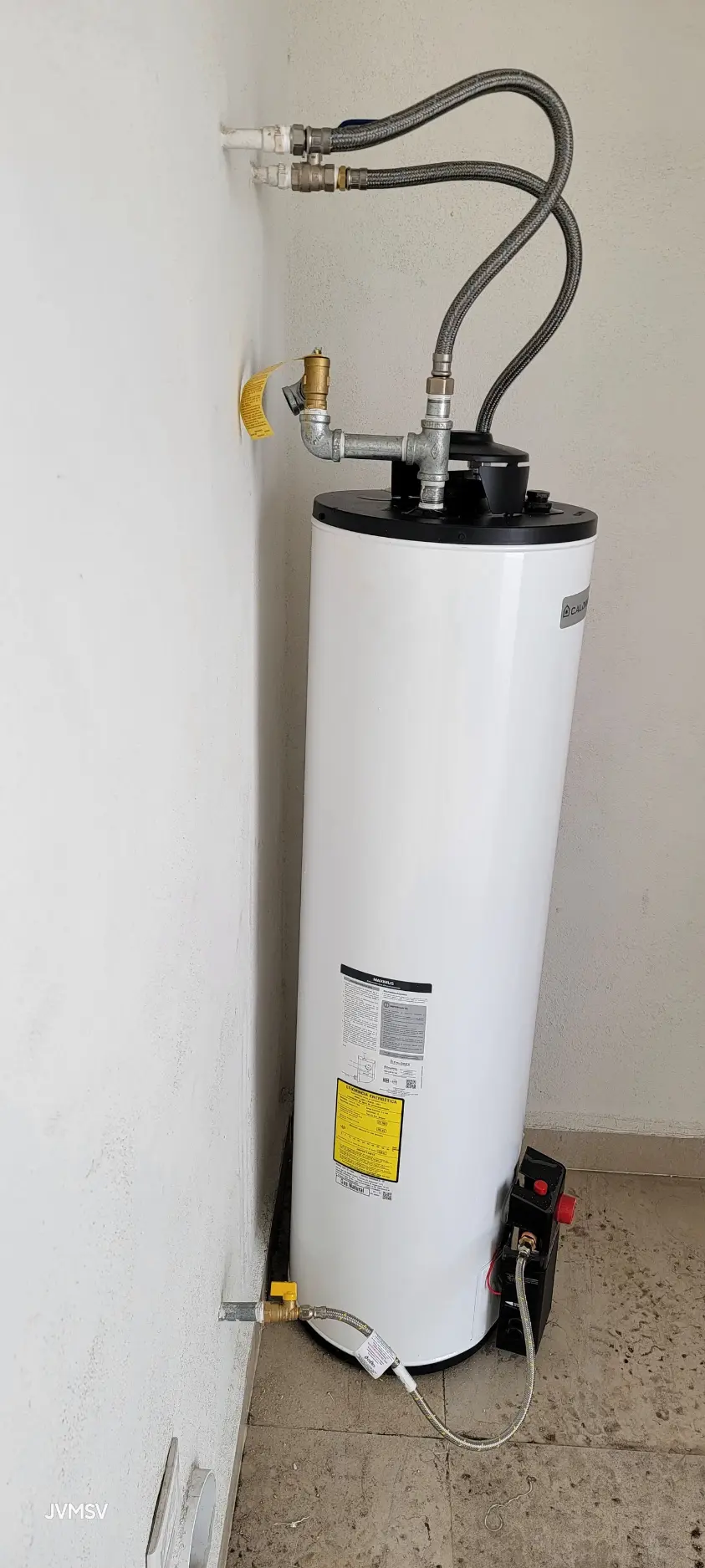
A little routine care goes a long way toward keeping a water heater efficient and stretching its lifespan. We recommend homeowners:
- Flush the tank once a year to clear out sediment before it hardens into a layer.
- Test the temperature-and-pressure relief valve to confirm it’s opening and closing as it should.
- Watch the area around the base of the tank and address any moisture promptly.
- Set the thermostat to a safe, efficient temperature. Around 120°F works for most homes.
- Have the unit professionally inspected on a regular schedule to catch small issues early.
Need Water Heater Service in Gastonia or Charlotte?
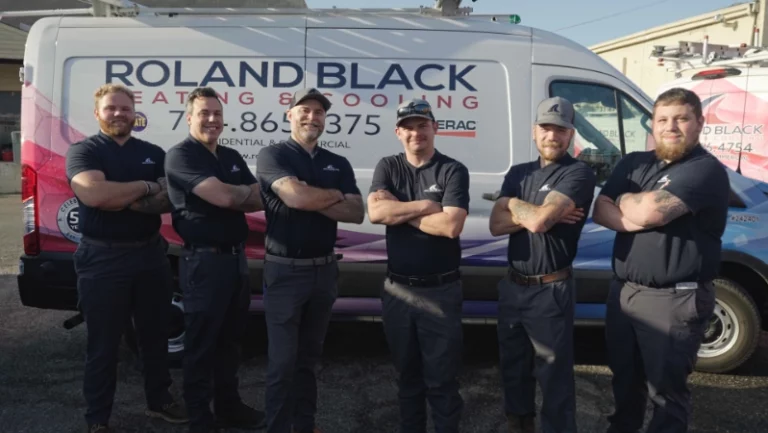
Roland Black Plumbing has kept hot water running in this community since 1973, and that family-first, neighborly approach still shapes every call we take.
Licensed in both North Carolina and South Carolina, our team handles water heater repair, replacement, tankless installation, and maintenance with same-day and 24/7 emergency service across Gastonia, Charlotte, Belmont, Mount Holly, Cornelius, Huntersville, Rock Hill, Fort Mill, and the surrounding communities.
If your water heater is acting up, or you’d rather replace it on your schedule than wait for it to quit, call us at (980) 206-3523 to book your free estimate. We’re here to help.