
Heating problems are easier to fix before the cold arrives. Once it does, a dirty flame sensor or a worn capacitor turns into a no-heat call on a cold night, right when service schedules fill up fast. Fall heating maintenance in Gastonia, NC, can catch many of those problems early. Booked in September or October, a repair can usually happen before the first hard freeze fills service calendars.
Roland Black Heating, Cooling, Plumbing & Generators has served Gaston, Lincoln, Mecklenburg and York Counties since 1973, connecting homeowners with NATE-certified technicians for time- and cost-effective local heating maintenance services. Here’s what a fall inspection covers, how furnace and heat pump maintenance differ, and a short list of what you can check yourself to ensure your home stays comfortable all season long.
The Fall Heating Inspection Checklist
A fall heating inspection usually comes down to four checks: the air filter, the thermostat, the blower and the burner assembly with its heat exchanger. The first two can be self-checked at home. The last two should be checked by a technician.
Inspect and replace the air filter. A clogged filter makes your blower work harder. On a furnace it can trip the high-limit switch, which shuts the burners off to prevent overheating. ENERGY STAR recommends checking it monthly, swapping the air filters at the interval noted on your filter’s packaging.
Check the thermostat. This process is simple. Put in fresh batteries before the first cold night, since weak ones can blank the screen or keep the heat from turning on. Then compare the thermostat’s reading with a separate thermometer in the same room. A thermostat that reads a few degrees off can run your system too long or shut it off early. Last, switch it to heat, raise the setting above room temperature and listen for the system to start. If the screen stays blank with new batteries or the reading doesn’t match, you may need thermostat repair.
Have the blower motor and belt inspected. The blower moves heated air through your ducts, so a worn motor can leave rooms cool even while the system runs. A technician checks the motor’s amp draw and tests its capacitor, since a weak capacitor is a common reason a blower struggles to start. On older belt-drive systems, the technician also checks the belt for cracks and oils the motor bearings if needed.
Have the burner assembly and heat exchanger checked. Have the burner assembly and heat exchanger checked. On a gas furnace, the burners light the fuel, and the heat exchanger keeps combustion gases out of the air you breathe. A cracked heat exchanger can let carbon monoxide into your home, so this check usually includes a combustion analysis and a carbon monoxide test. If you can see the flame, it should burn steady and blue. A yellow or wavering flame can mean dirty burners or fuel that isn’t burning cleanly, so mention it when you book.
Furnace vs. Heat Pump Maintenance: What Carolina Homeowners Need to Know
Every fall visit covers the filter, thermostat and blower. The rest depends on how your home makes heat. Gas furnaces also need burner and heat exchanger checks. Heat pumps need their refrigerant charge, outdoor coil and defrost cycle checked instead. Dual-fuel systems pair a heat pump with a gas furnace, so they get both sets of checks, plus a look at the temperature where the system switches from one to the other.
Not sure what you need? Find your type of system below, and learn more about what routine maintenance should look like in your specific case.
Gas furnaces. Fall maintenance on a furnace centers on ignition, gas pressure and venting. A technician will also typically clean the flame sensor, inspect the ignitor, test gas pressure and confirm that the exhaust is leaving through the flue. This is especially important, as a dirty flame sensor is one of the more common reasons a furnace lights and shuts off seconds later. Cleaning it during furnace maintenance usually provides a proactive fix.
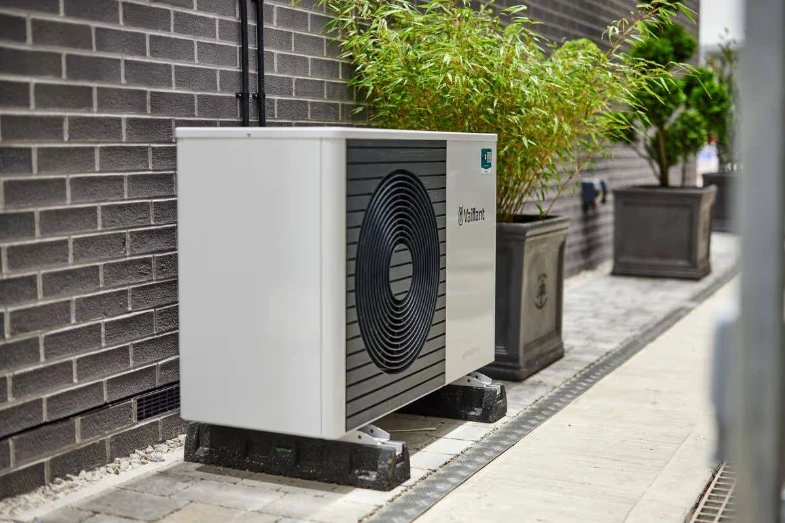
Heat pumps. A heat pump uses refrigerant to move heat from the outdoor air into your home, then reverses the process to cool it in summer. It runs year-round, and the U.S. Department of Energy recommends having a professional service it at least once a year.
A fall heat pump maintenance visit includes evaluation of refrigerant pressure in heating mode, the reversing valve, the defrost controls and the outdoor coil. It also usually tests your auxiliary heat strips, which can quietly raise your power bill if they run more than they should.
Dual-fuel systems. A dual-fuel system runs the heat pump for most of the season and switches to the gas furnace below a set outdoor temperature. Maintenance covers the heat pump and the furnace, plus that switchover setting. If it’s set wrong, the system either burns more gas than it needs to or relies on the heat pump in weather it can’t keep up with.
DIY Heating Checks vs. Professional Heating Maintenance
Some fall heating checks are safe to handle yourself, and some aren’t. Changing the filter and testing the thermostat take a few minutes and no tools. Anything involving gas lines, burners or wiring, however, should be maintained by a technician annually, per recommendations made by Piedmont Natural Gas.
Here are some of the most common at-home tasks you can do to keep your heating system in good repair:
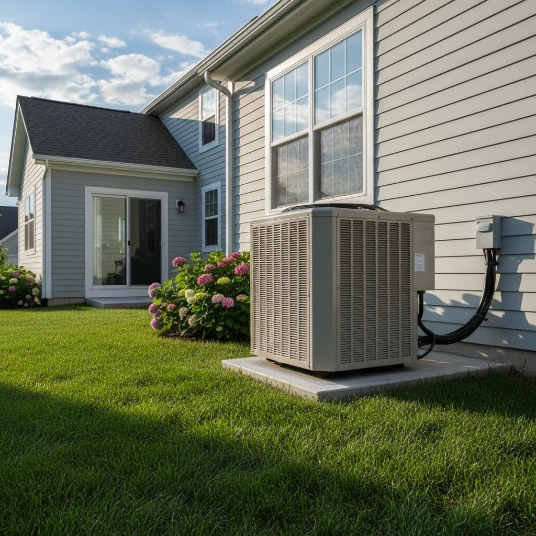
Clear the area around your outdoor unit. Leaves, mulch and overgrown shrubs can block airflow through a heat pump’s outdoor coil and make it work harder. Turn off the unit’s power first, then clear the debris to the clearance your manual lists.
Open your supply vents and return grilles. Rugs, furniture and closed registers restrict airflow, so your system may run longer and heat rooms unevenly. Check the rooms you rarely use, too.
Test your carbon monoxide alarms. Press the test button on each, and replace the batteries if it doesn’t ring.
Consider professional support if you think you might be dealing with any of the following:
Gas leaks. Every fitting, valve and burner adjustment on a furnace is a possible leak point. A loose fitting or misadjusted valve can leak gas or cause incomplete combustion, and neither is easy to catch by smell alone.
High-voltage electrical. Furnaces and heat pumps carry line voltage at the disconnect, contactor and capacitor, and a capacitor can hold a charge after the power’s off. Testing those parts takes meters and training.
Cracked heat exchangers. Most cracks aren’t visible without partly taking the furnace apart. A technician usually finds them through a close inspection and the combustion readings from the checklist.
Looking for service to address these three risks? Roland Black’s NATE-certified technicians handle all three as part of heating maintenance in Gastonia and nearby counties. You can reach the team at (980) 400-7638.
If you smell rotten eggs near your furnace or gas lines, leave the house right away. Don’t flip switches, light anything or use your phone until you’re outside, then call 911 and your gas utility. Don’t try to find the leak yourself. If a CO alarm goes off, get everyone outside and call 911.
What to Know: Fall Heating Prep in Gaston, Lincoln, Mecklenburg & York Counties
Fall heating here tends to come in bursts: chilly mornings, mild afternoons and heat again after dark. That means a lot of start-ups, and each one puts a little wear on parts like the ignitor, flame sensor and capacitor. Then the first freezing nights arrive, and a system that ran a few hours a day in October may run most of the night. A part that was already weak can give out right then, which is why a tune-up before the first freeze is worth scheduling.
If your system is already blowing cold air, turning on and off every few minutes or making new noises, book HVAC repair instead of a tune-up. Roland Black serves both sides of the state line, from Gastonia and Charlotte to Rock Hill and Fort Mill. Contact us today to request a heating maintenance visit, or to determine if you need an HVAC repair estimate. We’re here to help.
Fall Heating Maintenance FAQs
How often should I schedule heating maintenance?
It depends on your system. A gas furnace only handles heating, so one professional visit a year is usually enough, ideally in early fall. A heat pump heats in winter and cools in summer, so it runs most of the year, and most homeowners book one visit in spring and another in fall. Either way, check your warranty, since some require proof of regular maintenance to keep coverage valid, and may have definitions of “regular maintenance” that are exclusive to that brand.
What happens if I skip fall heating maintenance?
Skipping a year rarely causes a breakdown right away. The problem is that small issues, like a worn ignitor or a loose electrical connection, keep getting worse without anyone noticing. And, if your warranty requires annual service, a missed visit could affect your coverage.
How do I know if my furnace needs a tune-up or a full repair?
A tune-up is routine care for a furnace that still works the way it should. If yours lights and shuts off, blows cool air, trips a breaker, bangs or grinds, or runs without warming the house, it’s probably due for a repair.
Schedule Heating Maintenance in Gastonia, NC
Roland Black provides heating maintenance in Gastonia and across Gaston, Lincoln, Mecklenburg and York Counties. If a visit turns up a problem, the heating repair team gives you written pricing before any work begins. And if something has already gone wrong, same-day service is often available.
When repair no longer makes sense, the next step is an estimate for heating installation. Qualifying new systems are eligible for 5- or 10-year extended warranties, and every installation is backed by a lifetime workmanship guarantee. Call (980) 206-3523 orcontact us to schedule your visit.

