The Signs Your Heat Pump Needs Repair
Early detection can be the difference between needing just a minor fix or having to deal with more expensive damage. Call us when these red flags appear:
- Unusual noises: If your heat pump starts grinding, rattling, or squealing, it may indicate a mechanical issue. These noises can suggest problems with the motor, fan, or other components.
- Insufficient heating or cooling: When your heat pump fails to maintain the desired temperature, it might signal a malfunction. This issue could stem from problems with the compressor or refrigerant levels.
- Increased energy bills: Did your costs go up even though your usage habits didn’t substantially change? This often points to a heat pump working harder than necessary. This inefficiency could be due to worn-out parts or a failing component.
- Frequent cycling: If your heat pump frequently turns on and off, it may be experiencing short cycling. This can be caused by thermostat issues or an improperly sized unit.
- Ice buildup: Ice formation on the outdoor unit is a common sign that something is amiss. It might point to a refrigerant leak or a defrost cycle problem.
- Thermostat issues: An unresponsive or inaccurate thermostat can lead to inefficient heat pump operation. Problems with the thermostat often affect the system's ability to maintain consistent temperatures.
- Poor airflow: Reduced airflow from your heat pump could suggest a blockage or a failing blower motor. This issue can lead to uneven heating or cooling throughout your space.
The Common Causes of Heat Pump Damage
There are a lot of reasons why heat pumps fail. These are some of the reasons we deal with most frequently:
Refrigerant Leaks
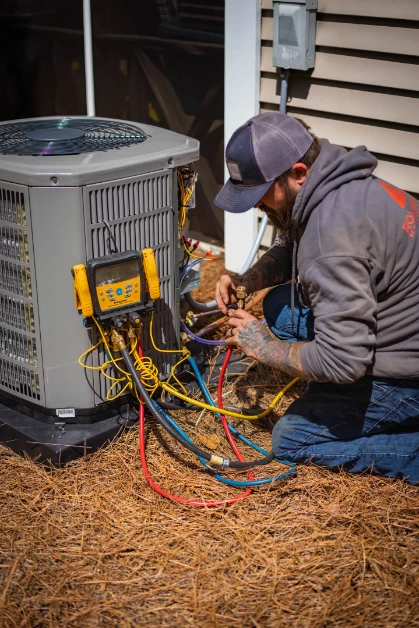
A refrigerant leak can lead to inefficient heating and cooling, causing the system to underperform. It often results from punctures or corrosion in the refrigerant lines. Our technicians know how to accurately locate and repair leaks, and we’ll recharge the refrigerant to restore optimal system performance.
Electrical Issues
Faulty wiring or damaged components can disrupt the heat pump's operation, leading to frequent shutdowns or failures. If not addressed promptly, these problems can also pose safety hazards. We have the skills to diagnose electrical issues, replace failing parts, and get your system to operate safely and efficiently.
Clogged Filters
Dirty air filters restrict airflow, forcing your heat pump to work harder and potentially causing overheating. This can result in reduced efficiency and increased wear on the system. We’ll clean or replace your filters, improving airflow and system reliability.
Blocked Coils
Dirt and debris can accumulate on the coils, thereby preventing proper heat exchange and reducing your system's efficiency. This issue can cause your heat pump to struggle to maintain desired temperatures. Our pros can clean the coils and conduct a thorough inspection aimed at preventing future blockages and enhancing performance.
Improper Installation
Incorrect installation can lead to numerous operational issues, including poor efficiency and frequent breakdowns. If not handled correctly, it can also void manufacturer warranties. You can trust us for proper heat pump installation, backed by warranty, that will optimize your system's functionality and longevity while adhering to manufacturer guidelines.
Lack of Maintenance
Neglecting routine maintenance can allow small issues to escalate into significant problems, affecting performance and lifespan. Regular check-ups help catch potential issues early. We provide comprehensive maintenance services, addressing minor repair needs and performing necessary adjustments to keep your system running smoothly.
Weather Damage
Severe weather conditions, such as the intense storms we can get here in this area, could physically damage your outdoor unit, and impact its performance. Protective measures and prompt repairs can mitigate weather-related risks. Roland Black Heating, Cooling, Plumbing & Generators will assess any weather-induced damage, repair the affected components, and advise on preventive strategies to safeguard your unit.
Call (980) 409-3848 today. You can also use our online contact form to request a free estimate. Our bilingual staff works with both English and Spanish-speaking customers.
Frequently Asked Heat Pump Repair Questions
- Why is my heat pump blowing cold air in heat mode?
When a heat pump blows cool air during heating, it might actually be running normally for short periods, especially during defrost cycles. However, if it never seems to warm up, the system may have a faulty reversing valve, low refrigerant, or issues with the outdoor unit’s sensor. North Carolina’s damp winters can cause frost buildup that triggers extended defrost times. Double-check thermostat settings to ensure it’s in “heat,” not “emergency” or “cool.” Persistent cold air is worth having inspected to prevent strain on the compressor. Contact Roland Black Heating, Cooling, Plumbing & Generators to schedule a heat pump inspection.
- How do you fix a heat pump that blows cold air?
Start with simple checks: make sure the thermostat is set correctly and the air filter is clean. If those are fine, the problem might be low refrigerant, a broken reversing valve, or malfunctioning defrost controls. Heat pumps rely on balanced refrigerant pressure to transfer warmth, so even small leaks can cause cold air output. In some cases, a sensor or board issue prevents the system from switching properly between modes. A professional can run pressure and electrical tests to pinpoint the cause and get heat restored quickly.
- How can I tell if my heat pump is low on refrigerant?
A heat pump that’s low on refrigerant often runs longer, produces weak airflow, or forms ice on the outdoor coil. You may hear a soft bubbling sound or notice the air never quite feels warm enough, even when the system runs continuously. High energy bills are another clue since the unit works harder to maintain comfort. Because refrigerant is part of a sealed system, a low level always indicates a leak. Only a certified technician can safely test and recharge the refrigerant to restore efficiency. The experts at Roland Black Heating, Cooling, Plumbing & Generators can locate the leak and restore your heat pump to optimal performance.
- Why would my heat pump not be kicking on?
If your heat pump won’t start, check the thermostat batteries and breaker first, power issues are the most common culprit. A tripped breaker, blown fuse, or faulty contactor can interrupt power flow. Outdoor disconnect switches may also be off after maintenance or storms. If power looks fine, the problem could lie in the control board, capacitor, or a failed compressor start relay. Since many of these components overlap with safety systems, it’s safest to have it checked before resetting repeatedly.
- Is there a reset button on your heat pump?
Yes, most modern heat pumps have a small reset button, typically located on the outdoor control panel near the service area. It’s often red or yellow and may be labeled “reset” or “restart.” Pressing it for a few seconds after a power interruption can clear basic faults. Always turn off power at the breaker first to be safe. If the system trips again immediately, that indicates a deeper issue that shouldn’t be repeatedly reset without inspection.
- Why is my heat pump not turning on in heat mode?
If your heat pump runs fine in cooling but won’t engage in heating, the reversing valve or thermostat signal is often to blame. This valve changes refrigerant direction depending on the mode, and when it fails, the unit stays stuck in cooling. Low refrigerant or a control board issue can also block heat operation. Sometimes, a simple communication error between the thermostat and outdoor unit causes confusion. A professional test from the Roland Black Heating, Cooling, Plumbing & Generators team can quickly identify whether it’s electrical or mechanical and restore normal function.